
Why Kung Fu Works Better Than Punishment For Teaching Discipline?
Discipline is one of the most important life skills a child or adult can learn. Many parents and teachers still rely on punishment, scolding, time-outs, or taking away privileges to control behavior. While punishment may temporarily deter bad behavior, it often fails to build real, long-lasting discipline.
Kung fu offers a powerful alternative. Instead of fear and coercion, it focuses on structure, respect, self-control, and inner discipline. This is why discipline through martial arts, especially kung fu, works better than punishment in the long run.
Let’s explore why.
Why Punishment Fails To Build Real Discipline?
Punishment is based on fear. A child behaves well not because they understand right and wrong, but because they want to avoid consequences. This creates external control, not self-discipline.
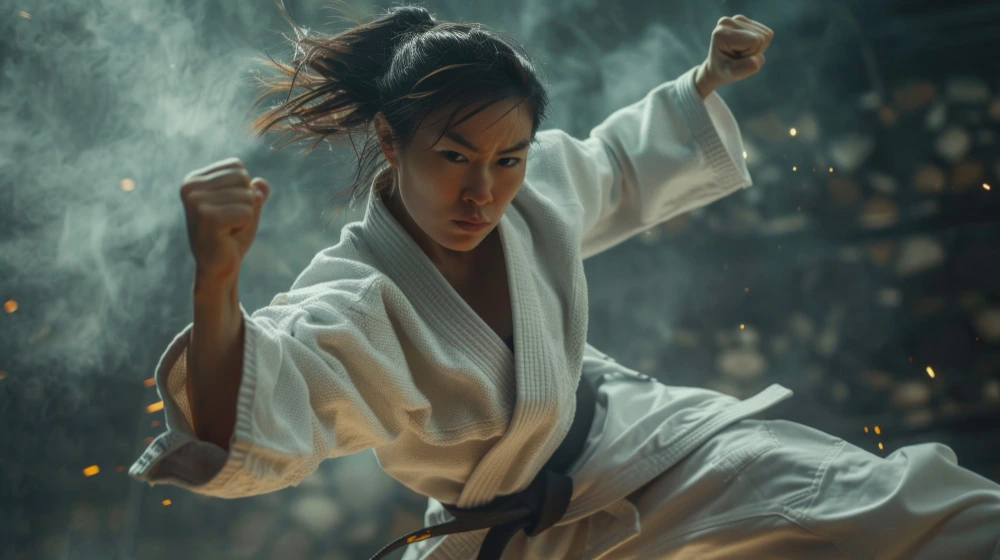
Here’s what usually happens with punishment:
- The behavior stops only when authority is present
- The child feels resentment, not responsibility
- Fear replaces understanding
- Discipline disappears when punishment disappears
Punishment may control behavior, but it doesn’t build character. Over time, children learn to avoid getting caught, not to behave responsibly.
This is where positive discipline methods like Kung Fu make a real difference.
How Kung Fu Teaches Discipline Through Structure And Routine?
Kung fu training is built on structure and consistency. Each class follows a routine, warm-up, basics, forms, drills, and cool-down. This repetition naturally teaches discipline.
Students learn:
- To arrive on time
- To follow instructions
- To practice regularly
- To respect rules and boundaries
It builds discipline through martial arts, not through threats or punishment.
Rather than forcing good behavior, students choose to adhere to discipline because the system feels right. Over time, this routine becomes a habit, and habits turn into discipline.
Self-Discipline Through Kung Fu, Not Fear
The greatest strength of Kung Fu is that it creates inner discipline.
In Kung Fu:
- Progress is earned, not given
- Skills improve only with practice
- Belts or levels represent effort and patience
There is no shortcut.
This teaches students that discipline comes from within, not from someone yelling or punishing them. They learn to control their bodies, minds, and emotions—even when no one is watching.
That’s real self-discipline through Kung Fu.
The Role Of Respect And Self-Control In Kung Fu Training
Respect is a core value in Kung Fu. Students bow to instructors, classmates, and the training space. This isn’t just tradition—it’s character training.
Through Kung Fu, students learn:
- Respect for authority without fear
- Respect for peers without competition
- Respect for themselves
Self-control is practiced daily. Students are taught when to use strength and when not to. This builds emotional discipline and reduces aggressive behavior.
This kind of character development in Kung Fu cannot be achieved through punishment.
Kung Fu Vs Punishment: Long-Term Impact On Behavior
Punishment may temporarily deter bad behavior, but it rarely leads to lasting change. Most people behave in ways simply to avoid consequences, not because they understand discipline. Kung Fu works differently. It teaches self-control, responsibility, and respect through regular practice and in a clear manner.
Over time, students learn to manage their own actions and emotions. This builds inner discipline that stays with them in school, work, and everyday life. Unlike punishment, kung fu shapes behavior from within, helping people make better decisions even when no one is watching.
Why Kung Fu Is Especially Effective For Children And Teens?
Children and teenagers are still developing emotionally and mentally. Punishment at this stage often leads to rebellion, lack of confidence, or anxiety.
Kung Fu training for children provides:
- A safe outlet for energy
- Clear boundaries without harshness
- Positive role models
- Confidence without arrogance
Instead of hearing that they’re “bad,” children learn how to improve. Discipline becomes a skill—not a reaction to punishment.
Parents often notice improvements in:
- Focus and attention
- Respectful behavior
- Emotional control
- School performance
That’s the power of positive discipline methods in action.
Building Internal Discipline Instead Of Fear-Based Obedience
Obedience based on fear ends the moment the fear disappears. Inner discipline lasts a lifetime.
Kung Fu builds internal discipline by teaching:
- Accountability for actions
- Awareness of consequences
- Control over impulses
Students learn that discipline is not about punishment—it’s about self-mastery.
This mindset helps in:
- School
- Work
- Relationships
- Stressful situations
That’s why many parents and adults choose Kung Fu over traditional discipline systems.
Kung Fu Teaches Discipline Without Breaking Confidence
A major problem with punishment is that it often undermines self-confidence. When children are constantly criticized, scolded, or compared to others, they begin to doubt their abilities. Instead of learning from mistakes, they become afraid to make them. This fear can undermine self-esteem and motivation over time.
Kung fu takes a completely different approach. Instructors correct mistakes with guidance, not humiliation. Students are taught to improve step by step. Effort is recognized, and progress is celebrated. In kung fu, failure is nothing to be ashamed of—it’s part of the learning journey.
This supportive environment builds true confidence, emotional strength, and mental resilience. Students learn to face challenges calmly and keep trying even when things seem difficult. Over time, they develop stronger discipline because they believe in themselves—not because they fear punishment.
Conclusion
Punishment may seem easy at the time because it produces immediate results. A child stops talking, a teenager obeys instructions, or their behavior changes temporarily. But this type of control usually lasts only as long as the authority figure is present. It doesn’t lead to real, long-lasting discipline. Once the fear of consequences is gone, the behavior often returns.
Kung Fu works differently. It gradually builds discipline through respect, routine, self-control, and inner strength. Students follow structured training, practice consistently, and learn to take responsibility for their progress. They understand that improvement comes from effort, not fear. Over time, discipline becomes a habit and then a part of their personality.
Whether for children, teenagers, or adults, Kung Fu offers a proven path to true discipline without fear. It strengthens character, builds confidence, and teaches responsibility in a positive and supportive way. If you’re looking for a better way to teach discipline—one that truly shapes behavior for life—Kung Fu is the answer.
FAQ
Ques1. Why Is Kung Fu Better Than Punishment For Teaching Discipline?
Ans – Kung Fu builds self-discipline from within through routine, respect, and consistent practice. Punishment only teaches short-term obedience based on fear, whereas Kung Fu teaches long-term responsibility and self-control.
Ques2. Does Kung Fu Really Improve A Child’s Behavior?
Ans – Yes. Regular kung fu training helps children develop focus, emotional control, and respect for others. Over time, these habits translate into improved behavior at home and school.
Ques3. How Does Kung Fu Teach Discipline Without Punishment?
Ans – Kung Fu uses structure, clear expectations, and positive guidance. Students learn that progress comes from effort and practice, not from avoiding results.
Ques4. Can Teens Benefit From Kung Fu Instead Of Strict Discipline?
Ans – Absolutely. Teenagers respond best to systems that foster confidence and responsibility. Kung Fu gives them goals, mentorship, and a positive outlet for their energy.
Ques5. Is Discipline Through Martial Arts Long-Lasting?
Ans – Yes. Martial arts develop discipline as a habit when practiced regularly. Students learn self-control and accountability that lasts a lifetime.