
Non-Competitive Martial Arts for Children – Safe, Fun & Growth Focused
In today’s fast-paced world, many parents are looking for non-competitive martial arts for children that focus on growth, discipline, and confidence rather than trophies and tournaments. While competitive sports can be beneficial, not every child thrives in a high-pressure environment. Some children become stronger in supportive, structured spaces where progress is personal, not comparison.
This is where traditional training programs like Tiger Kung Fu stand out. Instead of pushing children to win medals, their focus is on character development, respect, self-control, and long-term growth.
If you’re looking for martial arts for kids without competition, this guide will help you understand why it might be the best decision for your child.
Why Non-Competitive Martial Arts Is Best for Children?
Not all children enjoy competition. Some feel anxious under pressure. Others lose interest when comparisons become constant. Non-competitive children’s kung fu classes eliminate that stress and instead teach structured self-improvement.
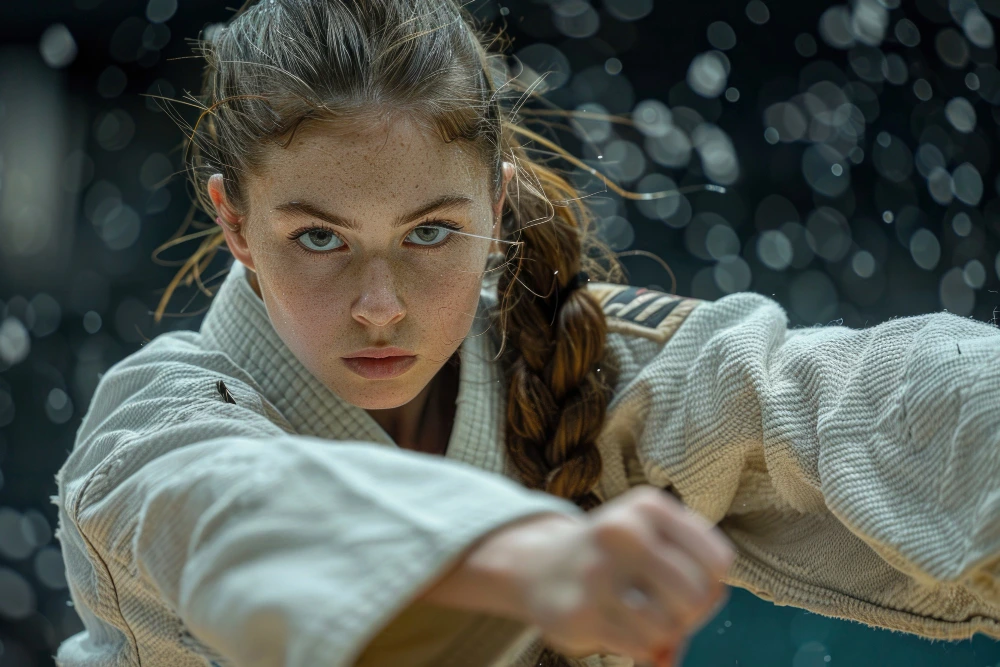
In non-competitive programs, children:
- Progress at their own pace
- Focus on mastering skills rather than defeating others
- Learn teamwork without rivalry
- Build confidence through achievement, not comparison
This kind of environment fosters continuous growth. Instead of asking, “Did I win?” children start asking, “Did I improve?”
This mindset change builds resilience and long-term motivation.
What Makes Non-Competitive Martial Arts Different?
Traditional martial arts were not designed as sports. Systems like kung fu were designed for self-discipline, self-defense, physical conditioning, and mental balance—not for competition.
In martial arts programs designed to build children’s confidence, training emphasizes:
- Controlled movements
- Balance and coordination
- Respect for instructors and peers
- Focus and attention control
- Emotional discipline
- Good at Self-desfense
Instead of preparing for a tournament, students prepare for the challenges of life.
Children learn how to stay calm, think clearly, and respond intelligently—skills that matter far beyond the training floor.
Benefits of Martial Arts for Kids Without Competition
If there is no competition, how will the children have fun and learn anything, such as new moves or actions?
Stronger Confidence
When children improve without comparing themselves to others, they develop true self-confidence. Confidence comes from within; it doesn’t depend on winning trophies or outperforming classmates. Instead of chasing recognition, they begin to value effort, persistence, and progress. This builds a strong foundation of self-esteem that lasts beyond the training environment.
With structured belt progression, step-by-step skill mastery, and consistent positive reinforcement, children can clearly see their improvement over time. Each new technique learned and each rank achieved becomes evidence of their growth. These milestones also help parents recognize the 5 signs your child is ready to start kung fu classes, as confidence and discipline develop naturally.
This consistent progression is especially helpful for shy or introverted children, who may feel uncomfortable in a competitive environment but thrive in a supportive atmosphere that offers encouragement rather than pressure.
Improved Focus and Discipline
A structured, non-competitive kung fu class for children requires attention, listening, and repetition. Over time, this improves concentration in school as well.
Many parents notice:
- Improved focus in the classroom
- Improved listening skills
- Stronger task-completion habits
- Discipline becomes a habit, not an imposed rule.
Safe and Supportive Environment
In the Safe Self-Defense Training Program for Kids, instructors prioritize controlled and supervised practice so that every child can learn in a safe environment. Techniques are taught responsibly, and clear guidance is provided on when and how to use them.
The focus is always on safety—not anger. Children are trained to develop awareness of their surroundings, quickly recognize potential threats, and avoid confrontation whenever possible.
They also learn how to stay calm in stressful situations, think clearly, and respond wisely instead of reacting emotionally. This approach builds real confidence and self-control without promoting violence or unnecessary force.
Healthy Physical Development
Children today spend more time than ever before on screens, which often reduces their physical activity. Martial arts helps combat this by encouraging full-body movement, improving coordination, flexibility, balance, and posture.
It also helps children release their energy in a structured and positive way. Because training is progressive and age-appropriate, children build strength and physical skills safely and confidently.
How Non Competitive Martial Arts Helps Against Bullying?
Many parents enroll their children in martial arts because they fear bullying. However, the real power of fun beginner martial arts for kids isn’t in fighting back—it’s in preventing the situation from escalating in the first place.
Students learn awareness, confidence, non-aggressive body language, calm verbal boundaries, and practical ways to avoid conflict. As their confidence grows, they are less likely to be targeted. And if a difficult situation arises, they respond calmly and thoughtfully rather than reacting emotionally. This proactive approach builds true inner strength and long-lasting resilience.
How Parents Can Choose the Right Program?
When looking for non-competitive martial arts for kids, consider asking:
- Is the focus on character development or competition trophies?
- Are classes age-appropriate and structured?
- Do instructors emphasize safety and control?
- Is progress based on skill mastery rather than tournament wins?
- Is the environment positive and supportive?
Visit a class. Observe how the instructor interacts with students. Notice whether the students appear confident and engaged, rather than stressed.
A good program should feel organized, encouraging, and structured.
Conclusion
Every child is different. Competitive sports can build courage, but many children benefit more from structured, supportive programs that focus on growth rather than competition.
Choosing a non-competitive children’s kung fu class means:
- Character over trophies
- Discipline over pressure
- Confidence over comparison
- Growth over rivalry
If your goal is to raise your child to be confident, respectful, focused, and physically active, without unnecessary stress, then martial arts for children without competition may be the best way to do it.
The greatest victory isn’t about defeating someone else.
It’s about becoming a stronger version of yourself.
FAQ
Ques1. What Is Non-Competitive Martial Arts For Children?
Ans – Non-competitive martial arts focus on personal growth, discipline, and confidence rather than tournaments and medal winning. Children improve at their own pace in a supportive and structured environment.
Ques2. Is Non-Competitive Martial Arts Safe For Kids?
Ans – Yes. Classes are designed with controlled practice, age-appropriate technique, and close supervision. The focus is on safety, self-control, and responsible self-defense—not anger.
Ques3. How Does This Type Of Training Help Shy Children?
Ans – Non-competitive programs remove pressure and comparison, allowing shy or introverted children to gradually build confidence through skill mastery and positive reinforcement.
Ques4. Will My Child Still Learn Self-Defense Without Competition?
Ans – Absolutely. Children learn awareness, conflict avoidance, and practical self-defense skills, while also developing emotional control and confidence.
Ques5. What Benefits Can My Child Gain From Non-Competitive Martial Arts?
Ans – Children’s focus, discipline, coordination, respect, and self-esteem improve. Training also helps them reduce screen time by keeping them active in a fun and structured way.