
Strength vs. Speed In Kung Fu: Which Matters More?
In kung fu, both strength and speed play important roles, but many students often wonder which matters more. Strength gives power to your strikes, helps you block, and increases stamina. Speed, on the other hand, helps you react quickly, strike first, and stay one step ahead of your opponent.
The truth is that Kung Fu is based on balance. A fighter who combines solid strength and fast speed can use techniques more effectively and adapt to any situation in training or real combat.
Can Strength Overcome Speed In Real Kung Fu Combat?
Yes, in a real kung fu fight, strength can sometimes trump speed, but that depends on skill and technique. A strong fighter can block strong blows and resist attacks, while a fast fighter can strike quickly before the opponent can react.
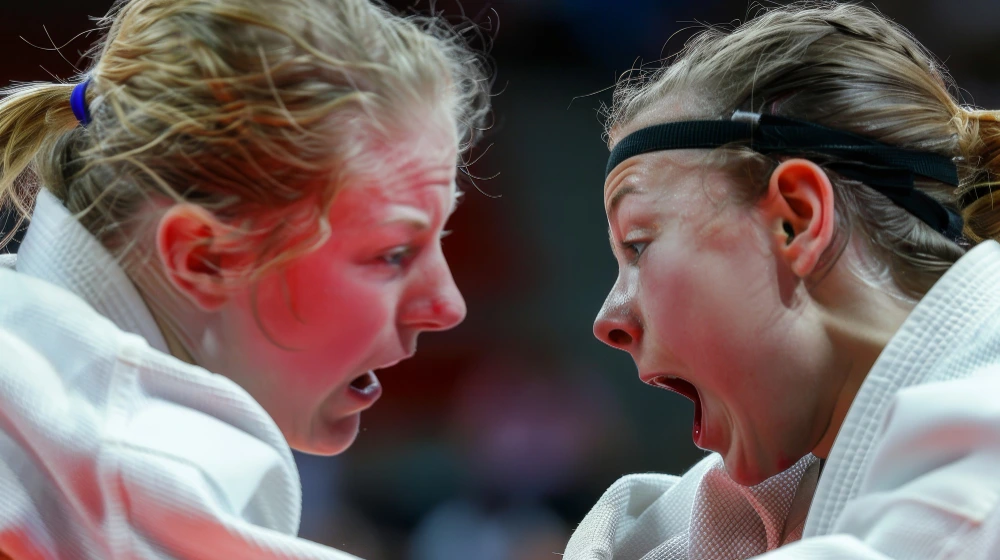
In kung fu, power generation techniques show how speed affects power in kung fu because a fast strike often packs a bigger punch than just raw muscle.
Internal vs. External Power Speed also plays a role in kung fu: internal styles focus on timing and energy, while external styles rely on physical force. The best training for developing speed and power in kung fu is to balance the two, so you can strike with power and move with speed in any fight.
Strength vs. Speed In Kung Fu: Which Matters More?
In kung fu, both strength and speed are important, but their value depends on how you use them. Strength gives your body the power to strike hard, stand your ground, and block attacks. Speed, on the other hand, helps you react quickly, strike first, and avoid being hit.
Many kung fu masters believe that true power comes from a combination of speed and good technique. A fast strike is often more effective than just muscle, because power is enhanced by timing and accuracy. Yet, without adequate strength, speed cannot be effective.
Balance is the key in kung fu training to develop both speed and strength. This way, a fighter can strike with power, move quickly, and adapt to any opponent or style.
What Exercises Build Both Speed And Power In Kung Fu?
Here are the 5 exercises to build both speed and power in kung fu –
Plyometric Push-Ups
Explosive push-ups are a great exercise for kung fu students because they build strength and speed at the same time. When you forcefully push your body upward so that your hands lift off the ground, you train your fast-twitch muscles. These muscles are responsible for fast and powerful movements.
By regularly practicing explosive push-ups, you can develop stronger punches, faster hand speed, and better reaction time, which are very useful in a real kung fu fight.
Jump Squats
Jump squats are great for building strong legs and improving explosive speed. In kung fu, powerful legs are essential for delivering powerful kicks, maintaining a strong stance, and moving quickly during a fight. When you squat down and jump up forcefully, your muscles learn to react faster and with more power.
Practicing jump squats regularly helps you stay balanced, move with agility, and strike with speed, making your overall kung fu performance stronger.
Heavy Bag Training
Training with a heavy bag is one of the best ways to improve both speed and power in kung fu. When you practice fast and powerful punches, kicks, and strikes on the bag, your body learns to apply force at the right time.
The resistance of the heavy bag strengthens your muscles and teaches you to strike with speed and control. Over time, this develops better power generation techniques in kung fu, helping you to strike harder, react faster, and improve your overall fighting skills.
Resistance Band Drills
Using resistance bands for punches and kicks is a smart way to improve strength and speed in kung fu. These bands create extra resistance, making your muscles work harder as you move. This not only strengthens your arms and legs, but also trains your body to move faster when the resistance is removed.
Practicing regularly with resistance bands can improve your striking speed, increase strength, and make your moves sharper and more effective in real combat.
Shadowboxing with Weights
Shadowboxing with light weights is a simple but powerful way to improve your kung fu skills. Holding small weights while practicing punches and moves forces your muscles to work harder with each strike. This builds stamina, strengthens your arms, and helps to increase overall strength.
When you are weak, your bent friends are the ones who find and stay the sharpest. Over time, this training improves striking speed, stamina, and coordination. It is a simple exercise that can make a huge difference in both practice and real combat.
Can A Weaker But Faster Fighter Beat A Stronger Opponent?
Yes, a weaker but faster fighter can defeat a stronger opponent, especially in kung fu. Speed gives a fighter the ability to react quickly, move out of danger, and strike before the opponent can respond. A faster fighter can target weak spots, use angles, and wear down a stronger opponent with repeated strikes.
Although strength is useful for power and blocking, it can be less effective if the fighter is too slow to land hits. In kung fu, timing, technique, and accuracy often matter more than pure muscle.
This is why many martial artists train to balance both speed and strength, but in actual combat, speed combined with good technique can often trump raw power.
Why Does Leopard Kung Fu Focus Heavily On Speed?
Leopard Kung Fu places a heavy emphasis on speed as it is designed for fast, explosive attacks rather than long battles. The style uses quick strikes, short movements, and sudden bursts of power to surprise the opponent.
Rather than relying on overwhelming strength, Leopard Kung Fu trains fighters to use speed and timing to strike vital targets before the enemy can react. The goal is to strike first, strike fast, and keep moving.
By using techniques such as intense punches, kicks, and claws, practitioners can generate power through speed, making this style effective even for smaller or lighter fighters.
Conclusion
Ultimately, the strength vs. speed debate in kung fu is not about choosing one over the other, but about understanding how the two work together. Speed gives a fighter the advantage of timing, precision, and quick reactions, while strength provides stability, endurance, and power behind each move.
A fighter who trains only one side may feel limited, but those who develop both speed and strength gain balance and adaptability.
Kung Fu is based on harmony, and the most effective martial artist is one who combines fast movement with powerful strikes and uses the right quality at the right time.
FAQ
Ques1. Do Beginners Need Speed Or Strength First?
Ans – Beginners should focus on technique first, then increase both speed and strength simultaneously.
Ques2. Can You Balance Speed And Strength In Training?
Ans – Yes, with the right practice, you can train both at the same time.
Ques3. Does Age Affect Speed Or Strength More In Martial Arts?
Ans – Age usually reduces speed faster than strength, but training helps maintain both.
Ques4. What Role Does Body Weight Play In Speed Vs. Strength?
Ans – Heavier weights often increase strength, while lighter weights provide more speed.